
Brillouin spectrometer Alba
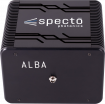
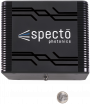
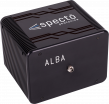
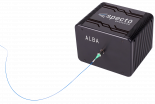
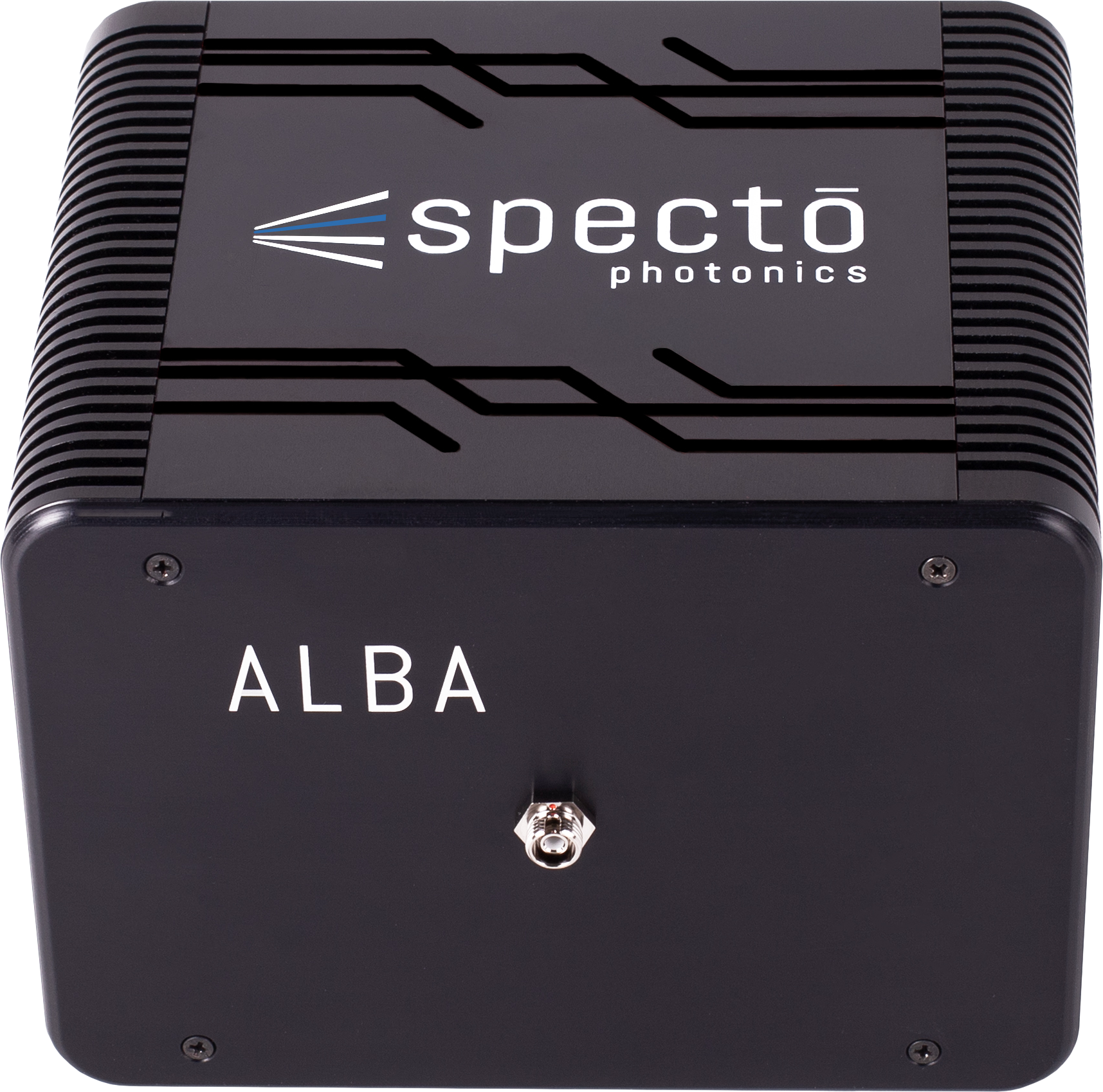
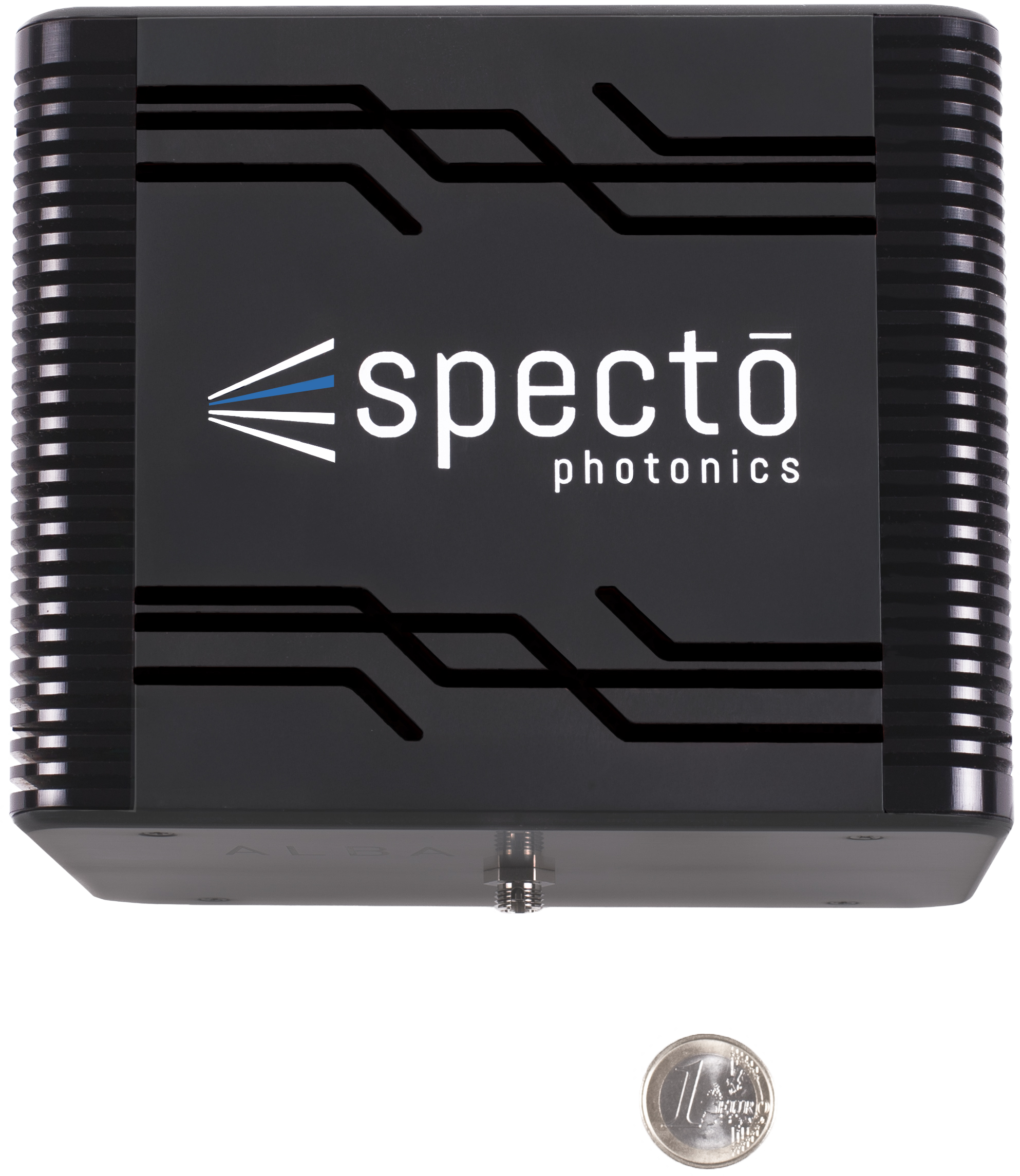
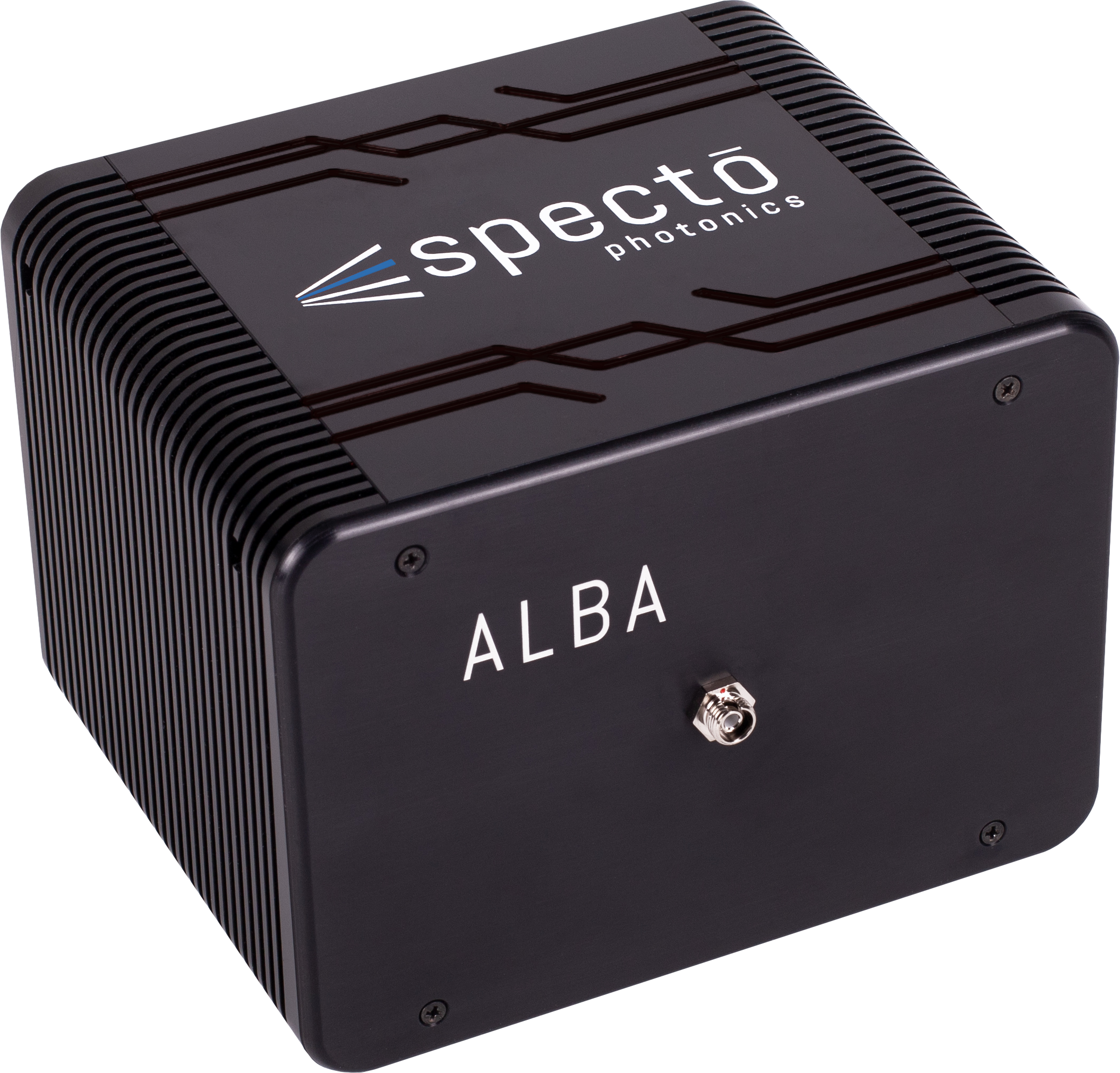
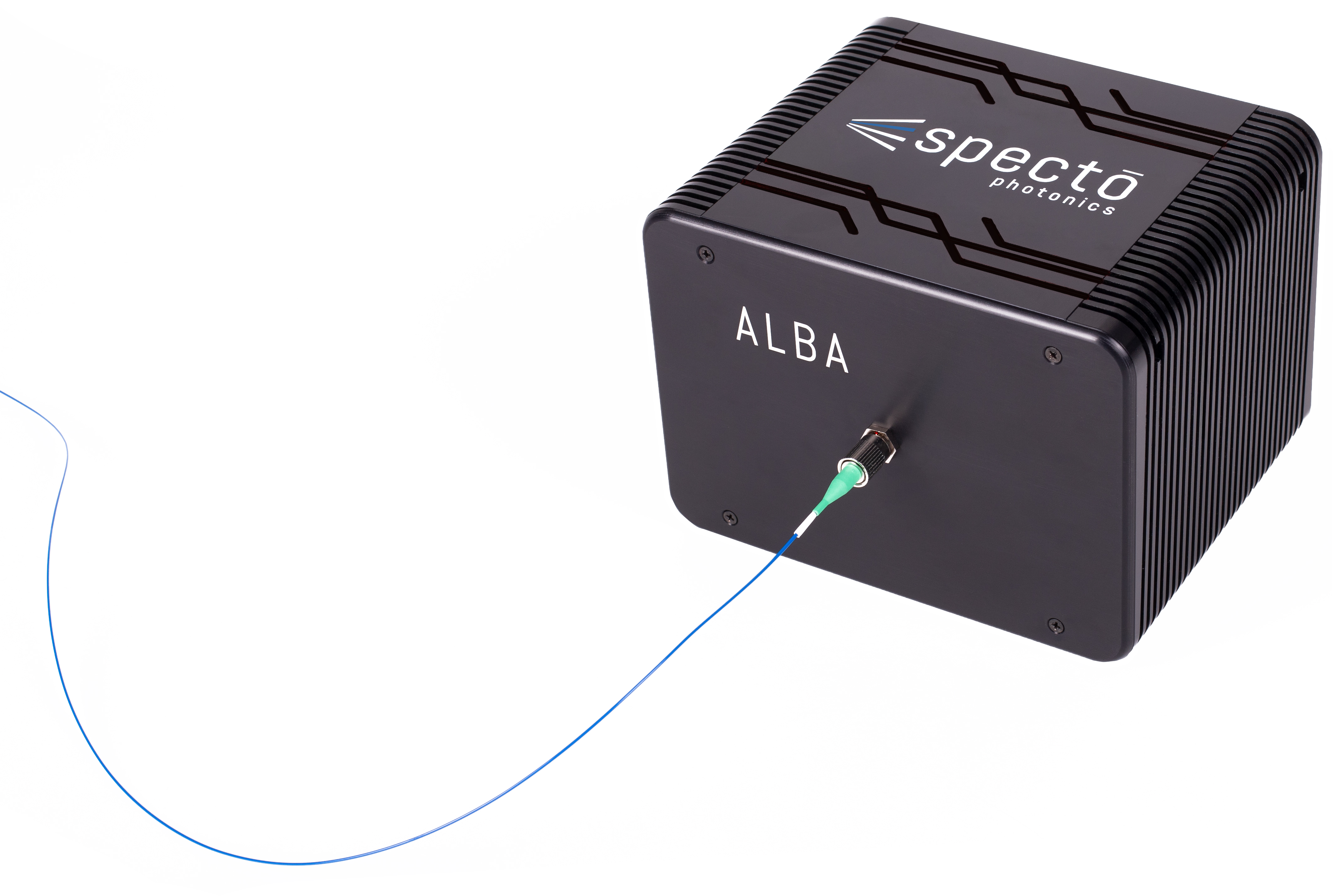
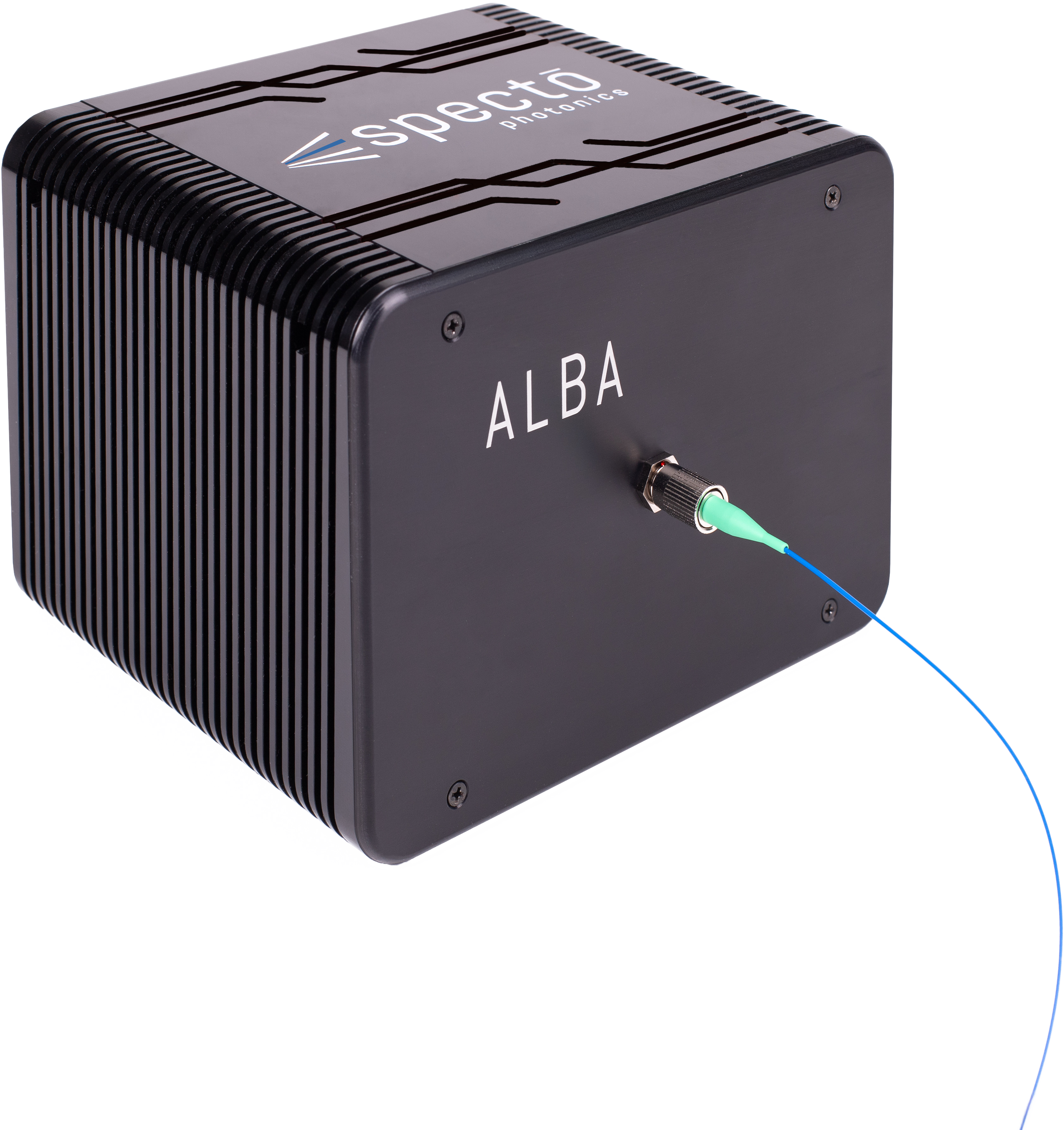
Alba is the world’s first fully integrated Brillouin spectrometer based on on-chip silicon photonics. Alba is a miniaturized device with no additional optical components. This makes it inherently alignment-free and suitable for laboratory environments with limited space (size 12 x 14 x 10 cm³).
Despite its very small size, there is no need to compromise on measurement speed, spectral resolution, or dynamic range. Furthermore, the Alba has a standard single-mode PM fiber coupling and can therefore be connected to any common spectrometer and microscope. It thereby expands spectroscopy to include optical, label-free Brillouin elastography for mechanical 3D analyses.
Advantages:
- Fully integrated, based on so-called “on-chip technology”
- Miniaturized and portable system
- Alignment-free and plug-and-play system
- Compatible with standard microscopes
- High dynamic range
- SubGHz spectral resolution
- Fast spectral acquisition
- Temperature stable
Applications of Brillouin spectroscopy
Brillouin spectroscopy can be used to perform non-destructive, label-free, and biomechanical characterization of subcellular structures in living cells. It can also be used to detect changes in response to external stimuli or intracellular liquid-to-solid phase transitions. Areas of application include, for example, the prevention of cardiovascular diseases and the diagnosis of cancer.
Micromechanical properties can be mapped in living cells and tissue. In pharmacy, drugs can be developed more quickly through non-invasive evaluation of their effectiveness in living cells. Physical properties such as crystallinity and viscosity can also be monitored during the manufacture of drugs. In medicine, chronic diseases can be detected at an early stage and their progression monitored by analyzing cell and tissue mechanics.


Examples from biological applications:
- Intracellular biomechanics:
Measurements of local elasticity in living cells, monitoring changes during mitosis, drug exposure, and liquid-to-solid phase transitions. - Organoids and 3D cell culture models:
Monitoring mechanical changes during growth
and differentiation; investigating drug efficacy by altering stiffness - Tissue engineering and biomaterials:
Monitoring polymerization dynamics and scaffold remodeling, and characterizing co-culture systems without destroying the sample - Tumor microenvironment and extracellular matrix:
Creation of 3D mechanical maps of the tumor and extracellular matrix, information on heterogeneity and mechanobiological factors - Multilayered/complex/endogenous tissue:
Changes in viscoelasticity in multilayered tissues and changes related to pathology or treatment response
Brief overview of Brillouin spectroscopy
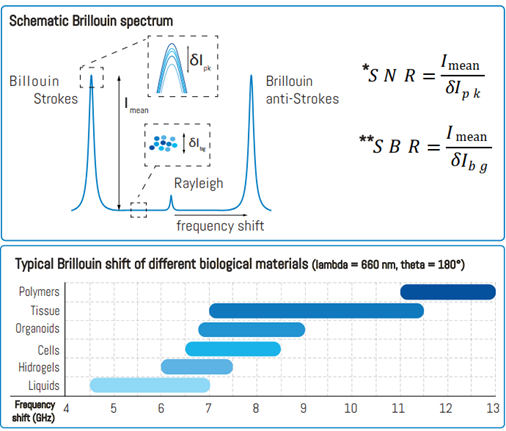
Brillouin spectroscopy is an optical method for determining biomechanical properties such as viscosity or phase transitions. Living biological samples are measured non-destructively and without labeling. The light exchanges energy with acoustic phonons in the sample. The propagation velocity and lifetime depend on the viscoelastic properties of the system under investigation. The Stokes and anti-Stokes Brillouin peaks obtained are typically shifted by several gigahertz (GHz) relative to the elastic Rayleigh peak.
When Brillouin spectroscopy is combined with Raman spectroscopy, mechanical, structural, and chemical properties can be determined simultaneously, even in turbid media.
More on this under “Selected Papers.”
Specs
| Operating wavelengths | 532 nm; 660 nm |
|---|---|
| Spectral resolution | <0.6 GHz (<0.02 cm⁻¹) |
| Dynamic range | >90 dB |
| Rayleigh background suppression | >60 dB |
| Free spectral range | 30 GHz (1 cm⁻¹) |
| Signal-to-Noise Ratio (SNR)* @15mW, 100ms | >10 |
| Signal-to-Background Ratio (SBR)** @15mW, 100ms | >50 |
| Insertion loss (typical) | <3 dB |
| Optical input | SM PM fiber |
| Device dimensions | 12 x 14 x 10 cm³ |
| Weight | 2.3 kg |
| Operating temperature | -10ºC / 40ºC |
| PC connection | USB-c |