
One question – two approaches: Hyperspectral Imaging (HSI) vs. Raman spectrometer with mapping capability (RSI)
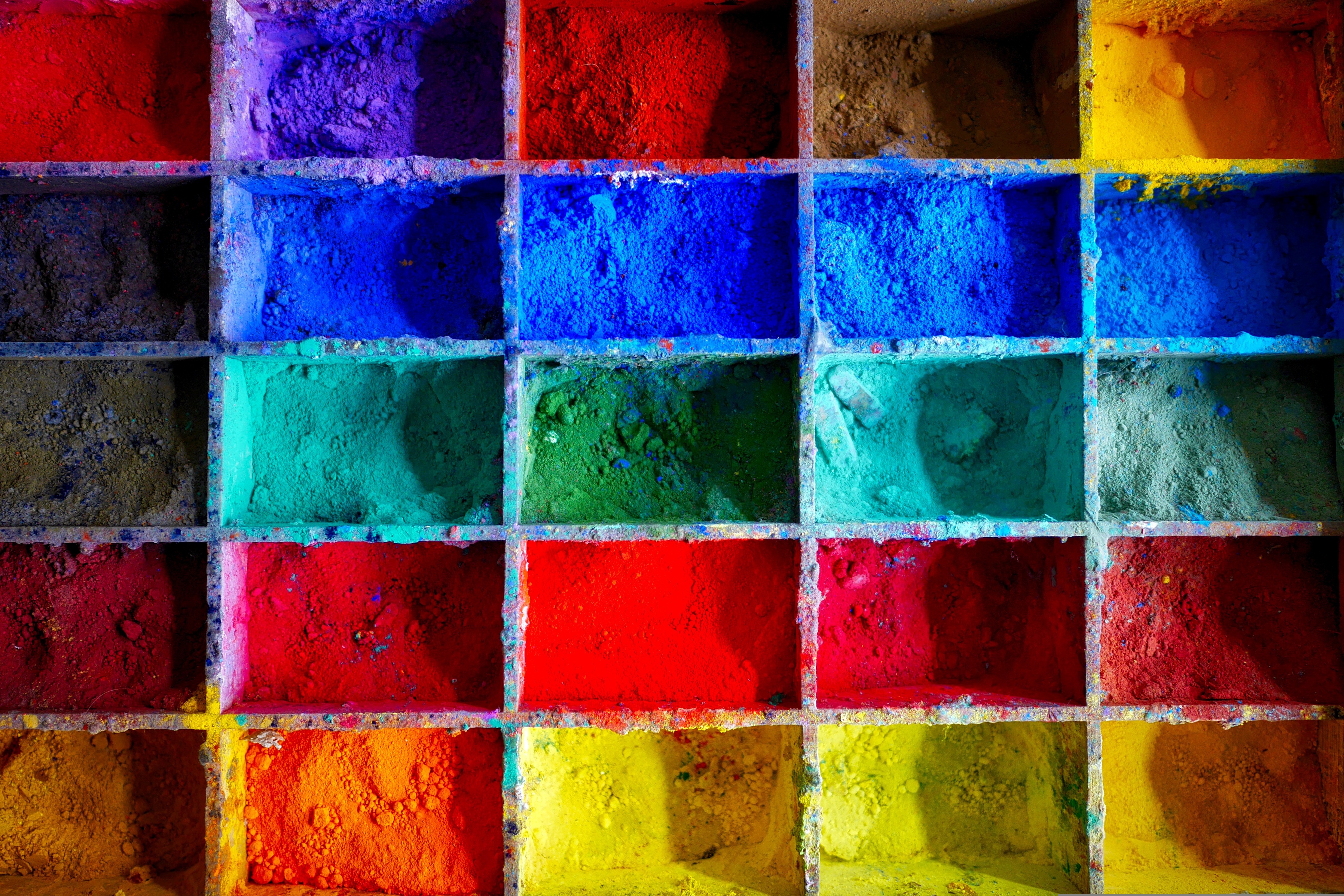
There are two options for examining a work of art without touching or damaging it: analysis using hyperspectral imaging (HSI) in the visible spectrum, or the use of a Raman spectrometer with a mapping function (RSI).
Hyperspectral imaging is a reflectance-based technique in which a reflectance spectrum is obtained for each pixel in an image. This method typically covers the visible spectrum through to the near-infrared. As a result, it captures more than just a standard image of the artwork; the image also provides spectral information for every area of the image.
Hyperspectral imaging allows different pigments and materials to be analyzed and spatially mapped across the entire image area. Depending on the material and spectral range, this technique can also reveal structures beneath the visible surface layer, such as underdrawings or overpaintings.
In contrast, Raman imaging provides chemical or molecular information about individual materials. Raman imaging is based on the interaction of laser light with the molecules in a sample. This interaction produces a characteristic spectrum from which information about the chemical composition—and, for example, the pigments used—can be obtained.
But why is the study of works of art so interesting or important?
Spectral analyses provide information about the composition of the painting:
Were the same colors or pigments used throughout the entire painting?
Is there another drawing layer beneath the visible surface layer?
Are there different materials in various areas of the artwork?
Is there evidence of overpainting or previous restoration attempts?
Such examinations can reveal information that is not visible to the naked eye, or is only difficult to discern. This can be of interest, for example, in art-historical studies, restoration work, or in-depth evaluations of works of art.
Why use RSI and HSI together?
RSI is used to examine and identify pigments and other materials. HSI, on the other hand, captures spectral information across a large area of the image. This makes it possible to first determine where different materials or pigments are located within the artwork.
By combining HSI and Raman spectroscopy, additional information about the artwork’s composition is obtained. The identified pigments and materials, together with further art-historical and materials-science data, can also provide clues about changes to the artwork or its history.
The information obtained helps, for example, in restoration and reconstruction work to better understand historical pigments or paint compositions.
Our partners Clyde HSI and Nireos offer interesting cameras for hyperspectral imaging.
You can find Raman spectrometers from our partner Lightnovo.
Please feel free to contact us for further information.